Application of Solar Panels in Sewage Treatment Systems
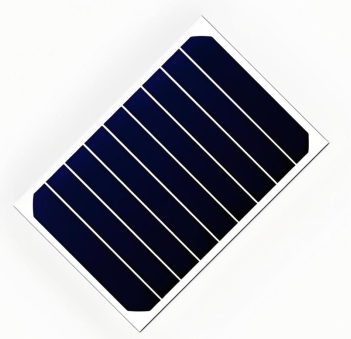
Solar-powered sewage treatment systems realize self-sufficient energy supply for sewage treatment and discharge via solar panels, widely deployed in off-grid areas such as rural villages and scenic spots. Centered on integrating solar power generation with sewage treatment processes, the systems form fully automatic pollution treatment facilities.
I. Working Principles
Energy Supply
Solar panels generate electricity to power the whole system through a charge controller, with storage batteries installed to guarantee normal operation on rainy days.
Sewage Treatment
A three-stage treatment process is adopted: pre-treatment, biochemical treatment and advanced purification. Pollutants are eliminated through facilities including bar screens, anaerobic tanks and aerobic tanks to ensure discharged water meets national discharge standards.
Intelligent Management
Equipped with 4G/NB-IoT communication modules, the system supports remote monitoring and automatic control. It can link with water level sensors to realize rainwater-sewage separation.
II. Application Scenarios
-
Rural Domestic Sewage Treatment
Modular structure; solar power generation produces no pollution or noise. For instance, sewage treated by solar facilities in He’an Village, Anhui Province is reused for farmland irrigation.
-
Tourist Scenic Spots
Attractive appearance and small land occupation. A homestay in Fujian built an eco-friendly project relying on the solar sewage system, which helped raise room rates.
-
Urban Rainwater-Sewage Separation
Customizable stainless steel intelligent interception wells. Solar-powered manhole covers are applied in old residential communities in Shenzhen to achieve precise sewage interception.
-
Aquaculture Tail Water Treatment
Timed pumping and drainage with resource recycling. A farm applies solar sewage treatment equipment, and the treated effluent is used for fertilization to build a circular agricultural system.
III. Technical Advantages
-
Zero Electricity Charges: Independent of municipal power grids, cutting substantial annual electricity expenses.
-
Low Carbon & Eco-Friendly: A 10-ton daily treatment unit reduces carbon emissions by around 12 tons per year.
-
Easy Operation & Maintenance: Only regular filter screen cleaning and pipeline inspection are required.
-
Stable Effluent Quality: Adopting mature treatment technologies, the outlet water can reach National Class 1B Discharge Standard.
Conclusion
Driven by advancing environmental governance and falling photovoltaic costs, solar sewage treatment systems are expanding from demonstration pilot projects to large-scale commercial application.