Differences Between Alkaline Polishing and Acid Polishing for TopCon Solar Cells
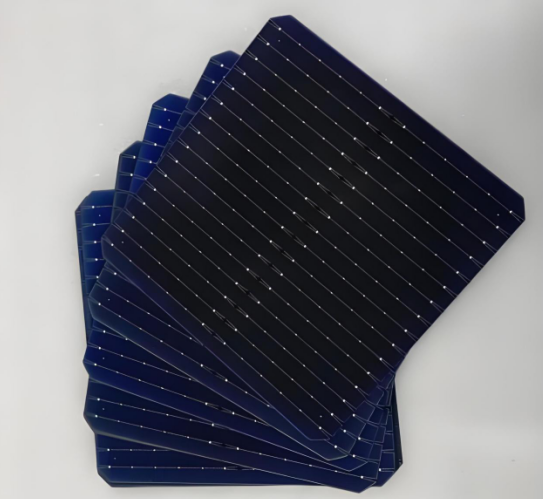
To improve the photoelectric conversion efficiency of TopCon cells, silicon wafers are generally polished to eliminate surface defects and contaminants and form a smooth surface, which boosts the power conversion efficiency of cells. Polishing reduces the surface roughness of cells, lowers light reflection and improves carrier transport efficiency.
There are two mainstream polishing processes for TopCon silicon wafers:
- Alkaline Polishing
This process adopts strongly alkaline solutions mainly containing sodium hydroxide or potassium hydroxide. It can remove pits and blemishes on silicon surfaces and deliver smooth surfaces with low roughness.
- Acid Polishing
Silicon wafers are polished with strong acids such as hydrofluoric acid. Its core function is to strip the silicon surface oxide layer and clean the wafer surface. Operative parameters including acid concentration and temperature must be precisely controlled to guarantee polishing quality.
Key Differences Between Alkaline and Acid Polishing for TopCon Cells
1. Different Chemical Mechanisms
Alkaline polishing relies on strong alkalis like sodium hydroxide and potassium hydroxide. Under high temperature and high pressure, these chemicals react with silicon to etch away defective and impure surface silicon layers.
Acid polishing uses corrosive acids including hydrofluoric acid to chemically etch silicon surfaces and remove surface defects and impurities.
2. Different Polishing Performance
Alkaline polishing thoroughly removes surface pits and flaws to form ultra-smooth, low-roughness surfaces.
Acid polishing quickly strips surface oxide films, and is mostly applied for surface cleaning and light etching, making it more suitable for high-precision electronic components.
Therefore, alkaline polishing is the preferred process for manufacturing high-efficiency solar cells, while acid polishing is widely used for high-precision electronic device fabrication.
3. Different Production Costs
Acid polishing is a mature industrial etching technology with low-cost acid chemicals, leading to low overall production costs.
Alkaline polishing reactions require high-temperature and high-pressure environments, which impose strict requirements on production equipment and demand high upfront capital investment.
Conclusion
Alkaline polishing and acid polishing for TopCon cells differ in chemical mechanisms, polishing performance, application scenarios and production costs. The selection of polishing technology depends on practical manufacturing conditions such as cell production flow, process parameters and equipment configuration.
In mass production, alkaline polishing is mainly used for high-efficiency solar cell manufacturing, whereas acid polishing is applied for surface cleaning and high-precision electronic component production. In addition, the two processes can be combined to achieve optimal polishing results.